December 10, 2025
Whether you are planning a major structural change or a small utility upgrade, understanding how concrete is cut, drilled, and removed will help you make safer and more cost-effective decisions. By exploring the main techniques, equipment, and practical considerations, you can better coordinate with professionals and ensure that your work sites remain efficient and compliant. Taking time to learn the fundamentals also reduces delays, misunderstandings, and expensive rework once the project is underway, especially as project demands grow more complex.
Understanding the Role of Concrete Cutting
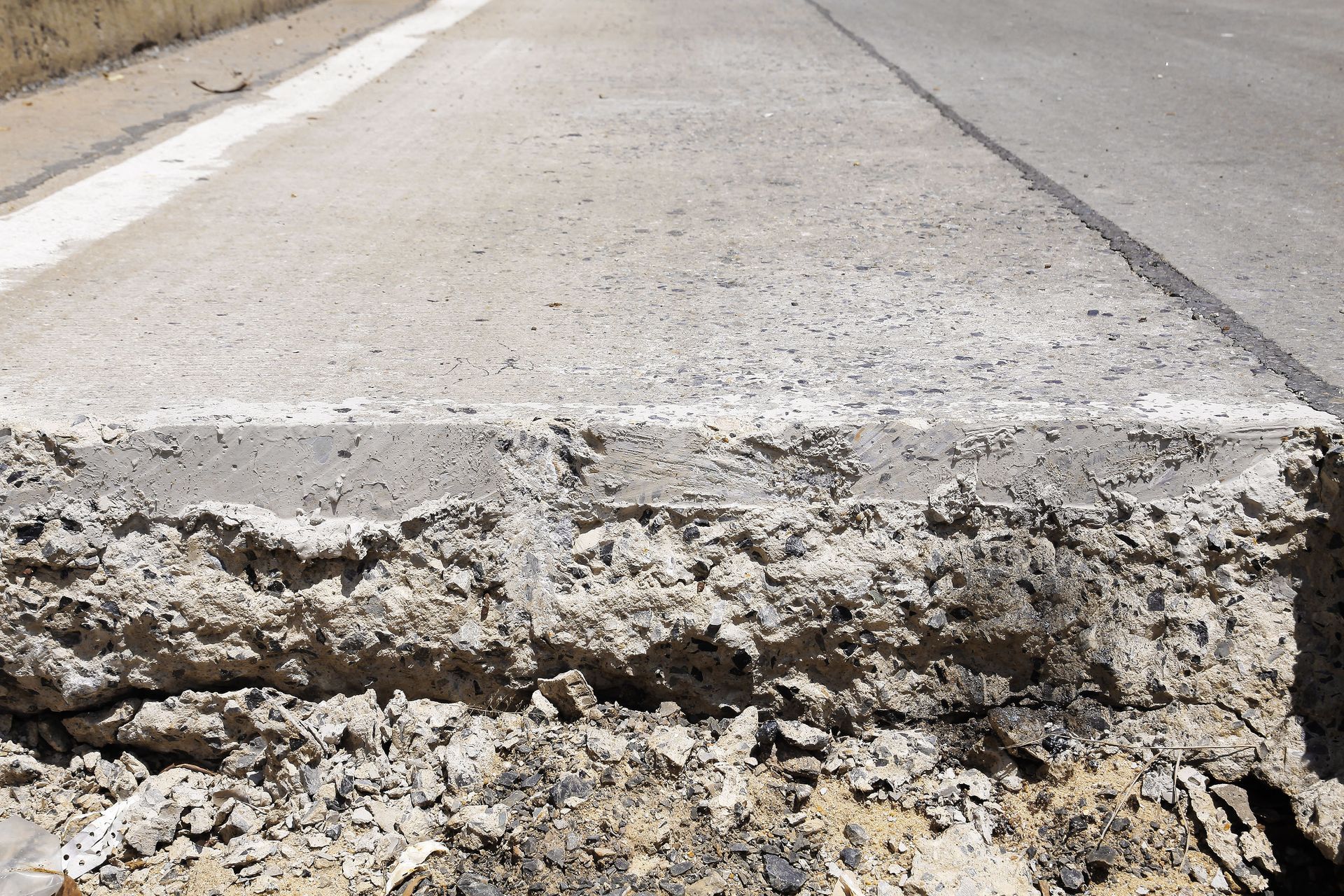
Concrete cutting refers to the controlled sawing, drilling, and removal of concrete to create new openings, adjust layouts, or repair damaged areas. It is essential in remodeling, retrofitting, and new construction because few structures remain static throughout their life cycle. When concrete is cut correctly, the remaining structure stays stable and the new opening or trench fits its purpose precisely. Poorly planned work, by contrast, can weaken foundations, crack adjacent slabs, or damage embedded utilities. That is why many project managers treat concrete cutting as a specialized trade rather than a simple demolition task, ensuring smoother coordination across all phases.
Types and Applications of Concrete Cutting Services
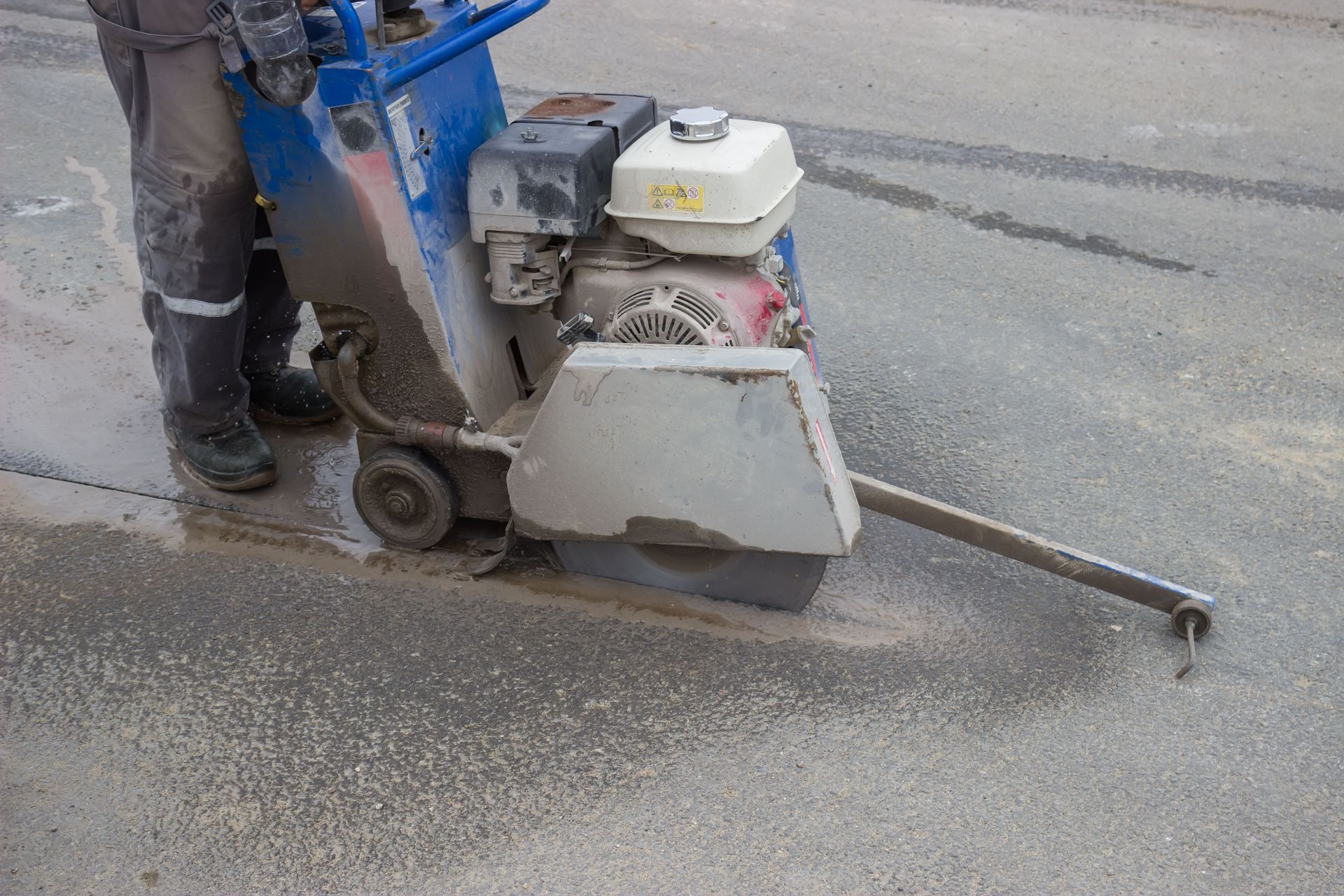
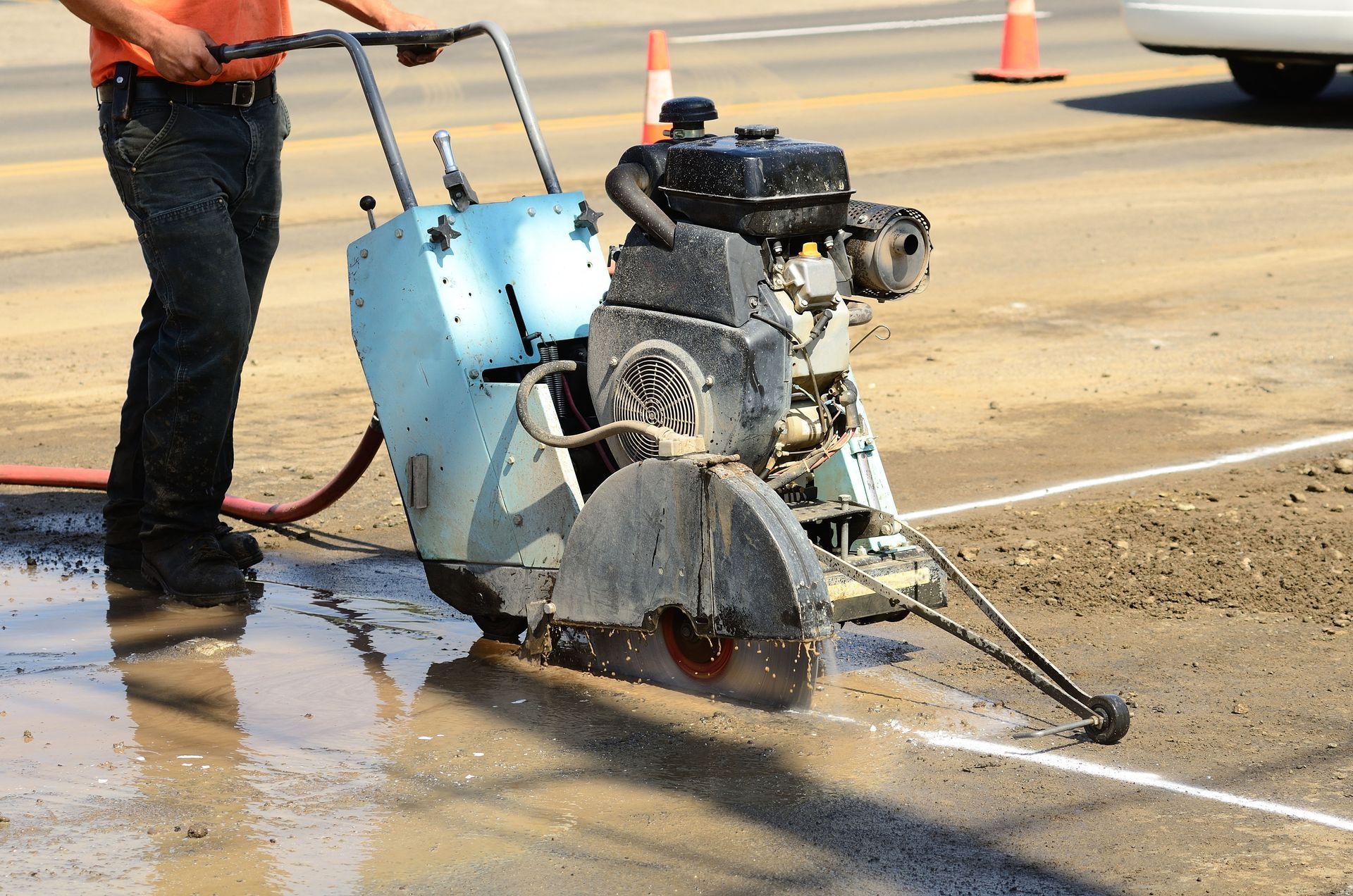
Different projects call for different approaches, and knowing the options helps you request the right concrete cutting services for your site. Slab sawing is often used on floors, roads, and pavements to remove damaged sections or to install utilities below the surface. Wall sawing creates doors, windows, and mechanical openings in vertical surfaces where accuracy and straight lines are critical. Core drilling produces precise circular holes for plumbing lines, electrical conduits, anchor bolts, and sampling. In industrial and infrastructure work, wire sawing allows crews to separate large or unusually thick sections of concrete that traditional saws cannot handle safely or efficiently, especially when scheduling constraints demand flexibility.
Safety, Regulations, and Cost Factors
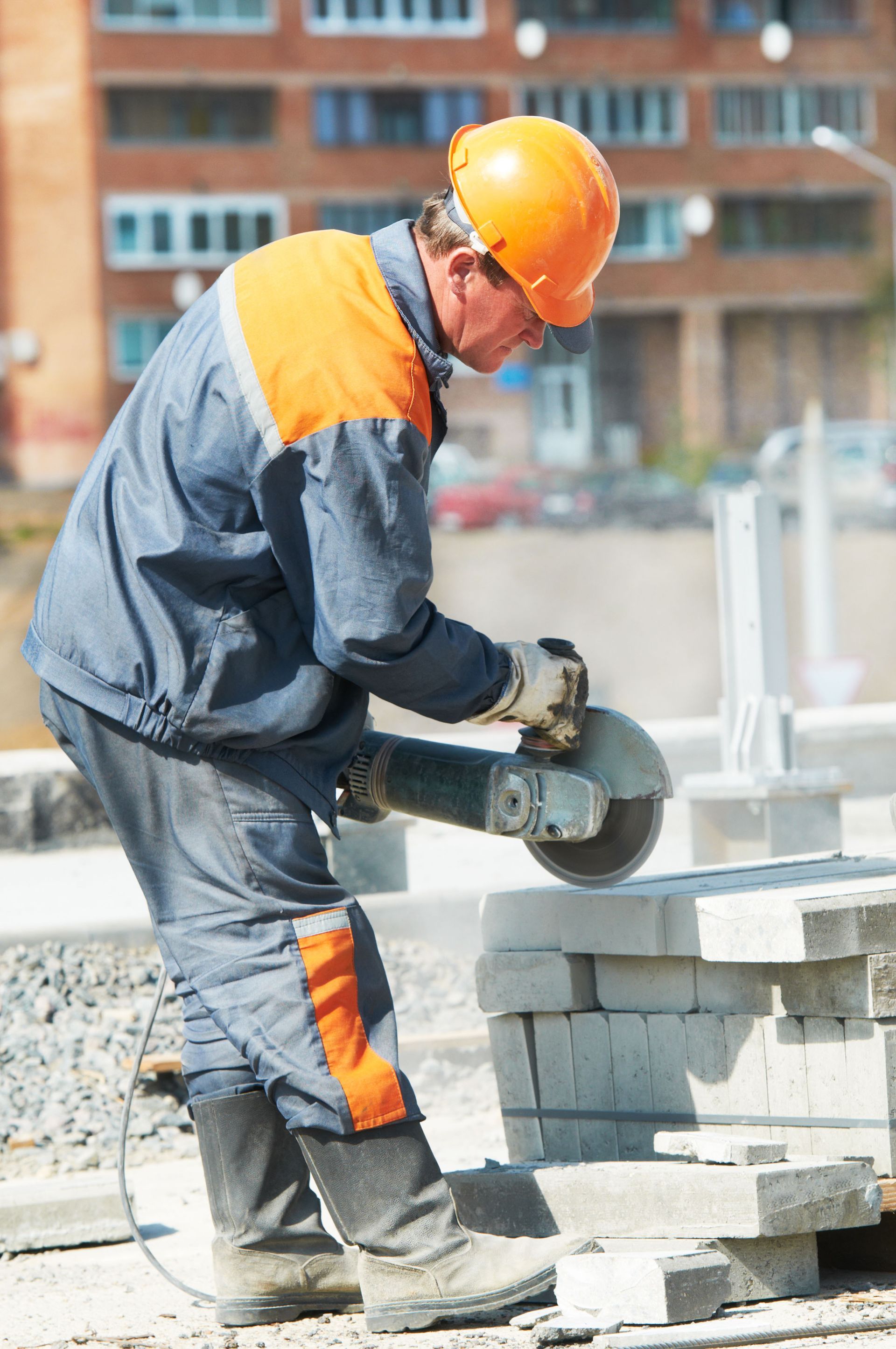
Safety must always come first when planning any concrete cutting activity. Operators typically wear eye, ear, and respiratory protection, follow lockout and tagout procedures, and manage dust with wet cutting or vacuum systems. Local building codes and occupational safety regulations may dictate when trained, certified operators are required and how waste slurry and debris must be collected and disposed of. Cost is another major consideration because depth of cut, reinforcement, access constraints, and schedule pressures all influence the price. By discussing these variables openly with your contractor, you can design a scope of work that balances safety, budget, and deadlines without sacrificing quality or productivity.
Core Techniques Used in Concrete Cutting
Most projects rely on a combination of techniques to achieve the desired result. Diamond-blade sawing is the most familiar approach and is valued for its speed, relatively smooth edges, and ability to handle reinforced concrete. Core drilling is indispensable when you need perfectly round openings in structural members, slabs, or walls, often with tight tolerances for mechanical and electrical systems. According to Contrete Insight, concrete coring operations typically create holes ranging from 1 inch to over 60 inches in diameter, depending on the project requirements. In confined or heavily reinforced areas, wire sawing uses a cable embedded with diamond segments to slice through thick concrete and steel with remarkable accuracy. Choosing the correct mix of techniques allows experienced crews to adapt to unique site conditions and reduce overall disruption while maintaining a high level of precision.
Concrete Cutting Equipment and Technology
Behind every clean, accurate cut is specialized equipment designed for a specific task. Walk-behind slab saws, handheld cutoff saws, wall-mounted track saws, and hydraulic or electric core drills all play distinct roles on the job site. Modern machines feature improved vibration control, integrated water delivery, and real-time monitoring systems that help operators work more precisely and comfortably. Remote-controlled units are increasingly common in hazardous or hard-to-reach locations, keeping workers at a safer distance while maintaining control over the cut. When concrete cutting services invest in high-quality tools and stay current with technology, clients benefit from faster turnaround times, fewer mistakes, and cleaner work areas, particularly in large-scale commercial environments.
Benefits of Hiring Professional Concrete Cutting Experts
Working with experienced specialists offers far more than simple labor. Professional crews bring a deep understanding of material properties, structural behavior, and site logistics, enabling them to anticipate challenges before they appear. Their training in safety procedures and regulatory requirements reduces the risk of accidents, fines, or failed inspections. Because professionals know how to stage equipment, sequence cuts, and coordinate with other trades, they often complete tasks in a fraction of the time it would take an inexperienced team. Reliable concrete cutting services also provide clear communication, detailed estimates, and documented results, helping owners and contractors keep projects on schedule and within budget while reducing unnecessary downtime.
Common Challenges and How to Address Them
Concrete rarely behaves in a perfectly predictable way, and that reality creates several recurring challenges. Hidden reinforcement, unexpected voids, or embedded utilities can complicate planned cuts and require on-the-spot adjustments. Tight indoor spaces may limit the use of larger machines, requiring creative setups and careful ventilation. Noise and vibration can affect neighboring tenants or sensitive equipment, prompting the need for scheduling adjustments or additional controls. The most capable providers respond to these issues with thorough pre-planning, site surveys, and contingency plans, making it easier to adapt without jeopardizing safety or quality, even during high-pressure deadlines.
Expert Tips and Best Practices for Project Owners
Owners and general contractors can greatly improve outcomes by involving a cutting specialist early in the design or preconstruction phase. Sharing drawings, load information, and utility as-built documents helps experts recommend the safest locations and methods for openings or trenches. It is wise to specify how dust, slurry, noise, and vibration will be controlled and to confirm that the contractor carries appropriate insurance and certifications. Clear communication about access routes, staging areas, and shutdown windows also prevents last-minute confusion on the day of cutting. When you view concrete cutting services as a strategic partner rather than a last-minute add-on, you create conditions for smoother, more predictable projects that meet higher performance expectations.
Integrating Concrete Cutting into the Overall Project Plan
Thoughtful integration of cutting activities into the larger construction schedule can prevent delays and rework. Many teams coordinate cutting work immediately before new mechanical, electrical, or plumbing installations so that openings are fresh, correctly sized, and ready for use. In renovation projects, it may be necessary to perform structural assessments and temporary shoring before large sections are removed. Tracking these dependencies in the project schedule ensures that materials, inspections, and follow-on trades are lined up in the correct sequence. Because well-planned concrete cutting services touch so many aspects of a job, aligning them with other tasks strengthens coordination and overall project performance, especially in multi-phase builds.
Concrete cutting is far more than a basic task; it is a precise process that directly influences safety, longevity, and usability of the finished structure. By understanding the techniques, equipment options, and regulatory requirements involved, you can have more productive conversations with the professionals you hire. Evaluating experience, technology, and safety culture will help you choose concrete cutting services that align with your expectations for quality and efficiency. Contact our team at Action Concrete Cutting LLC today to get connected with our concrete services and discuss tailored solutions for your project needs.