August 10, 2026
Concrete is one of the most durable and widely used construction materials, but modifying it requires specialized knowledge, equipment, and precision. Whether a project involves creating openings for doors and windows, removing damaged sections, installing utility lines, or adjusting an existing structure, improper cutting can cause cracks, uneven edges, unnecessary debris, and safety risks. Professional crews understand how to evaluate the material, plan the work, and complete each cut with accuracy.
Hiring experienced concrete cutting professionals can help property owners, contractors, and facility managers complete projects more efficiently while protecting surrounding structures. Trained technicians use appropriate tools and methods for different types of concrete, reinforcement, thicknesses, and site conditions. Their expertise can reduce delays, limit damage, improve safety, and support cleaner results. Understanding the benefits of professional cutting can make it easier to plan construction, renovation, repair, and demolition work with confidence.
Improving Cutting Accuracy
Precision is essential when concrete must be modified without affecting nearby surfaces or structural components. Professional technicians measure carefully, mark cutting lines, and select equipment that matches the required depth and shape. This preparation helps create clean openings for doors, windows, pipes, electrical systems, ventilation, and other building features. Accurate cutting also reduces the need for additional patching or corrective work after the initial task is complete. This is especially important when the opening must align with prefabricated doors, mechanical systems, or utility components. Even a small measurement error can interfere with installation, increase labor time, or require additional material removal.
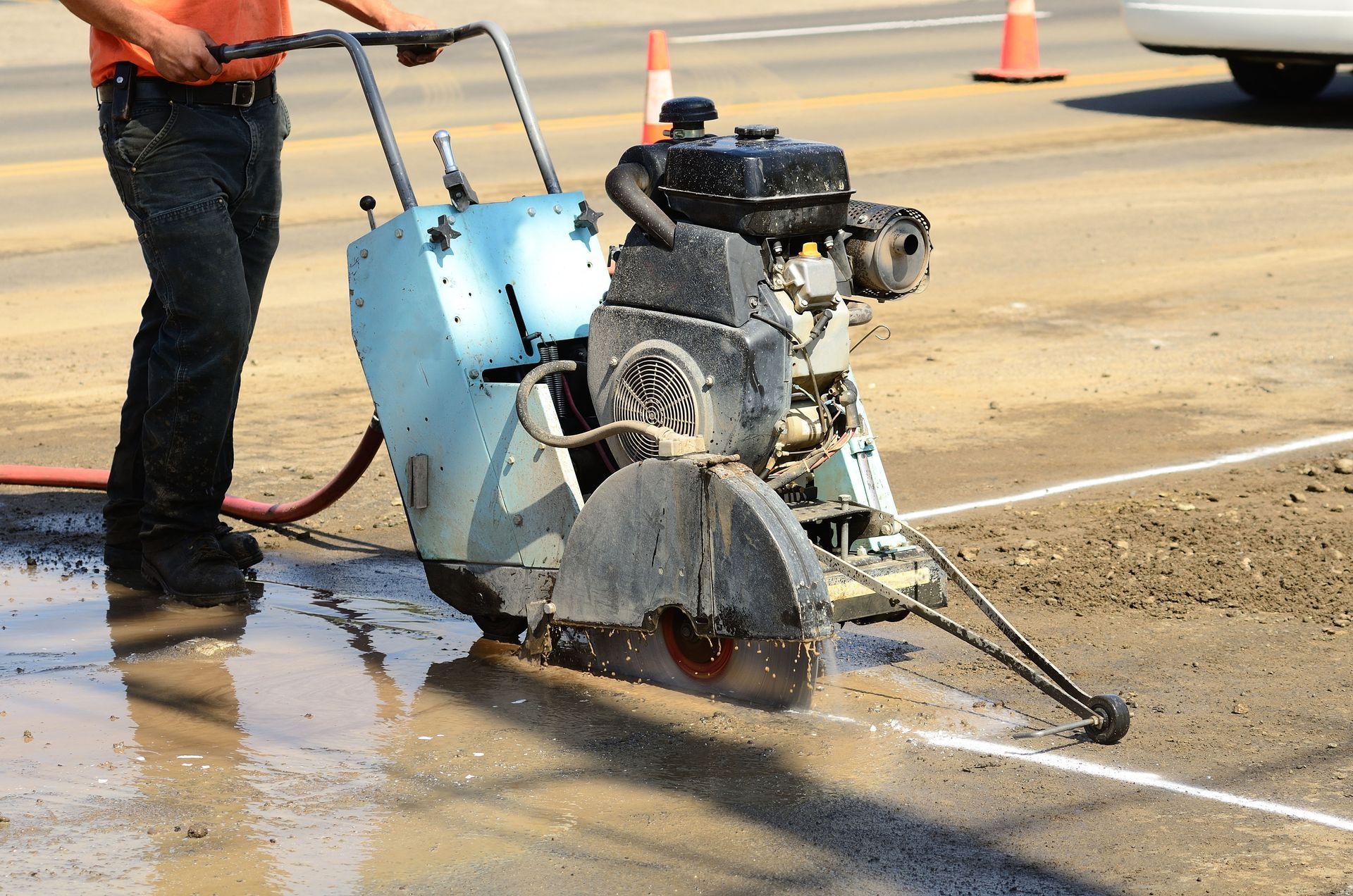
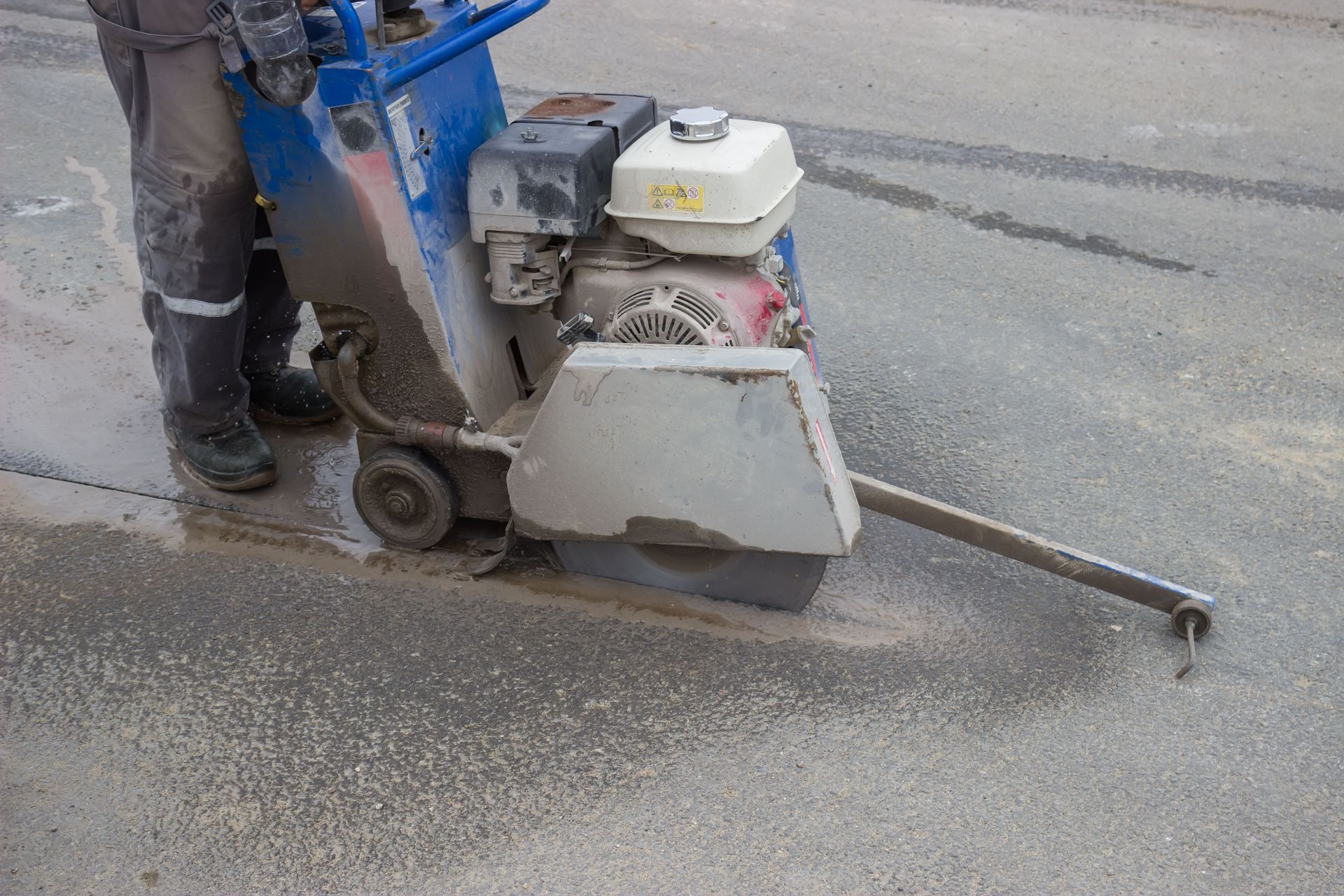
Professional concrete cutting services use specialized saws, blades, and drilling equipment designed to produce controlled results. These tools can create straight lines, rounded openings, and detailed cuts that would be difficult to achieve with general-purpose equipment. When cuts are completed the first time correctly, the surrounding area remains more stable, and the project can move forward without unnecessary adjustments or material waste.
Protecting Structural Integrity
Concrete often contains reinforcing steel, tension cables, conduits, and other embedded materials that must be considered before cutting begins. Striking these components unexpectedly can weaken the structure, damage utilities, or create serious hazards. Experienced crews review plans, inspect the site, and determine where cuts can be made safely. This careful evaluation helps preserve the strength and intended performance of the remaining concrete. It also allows crews to coordinate with engineers, contractors, and facility personnel when a project involves load-bearing areas or complex building systems. Clear planning reduces uncertainty and helps every participant understand the limits of the work area.
Professionals also understand how vibration, heat, and cutting depth can affect nearby surfaces. Using the wrong technique may cause cracks to spread beyond the work area or loosen surrounding material. Concrete cutting services apply controlled methods that minimize stress on the structure. By limiting unnecessary impact, they help protect floors, walls, foundations, slabs, and other important components during renovation or repair work.
Enhancing Workplace Safety
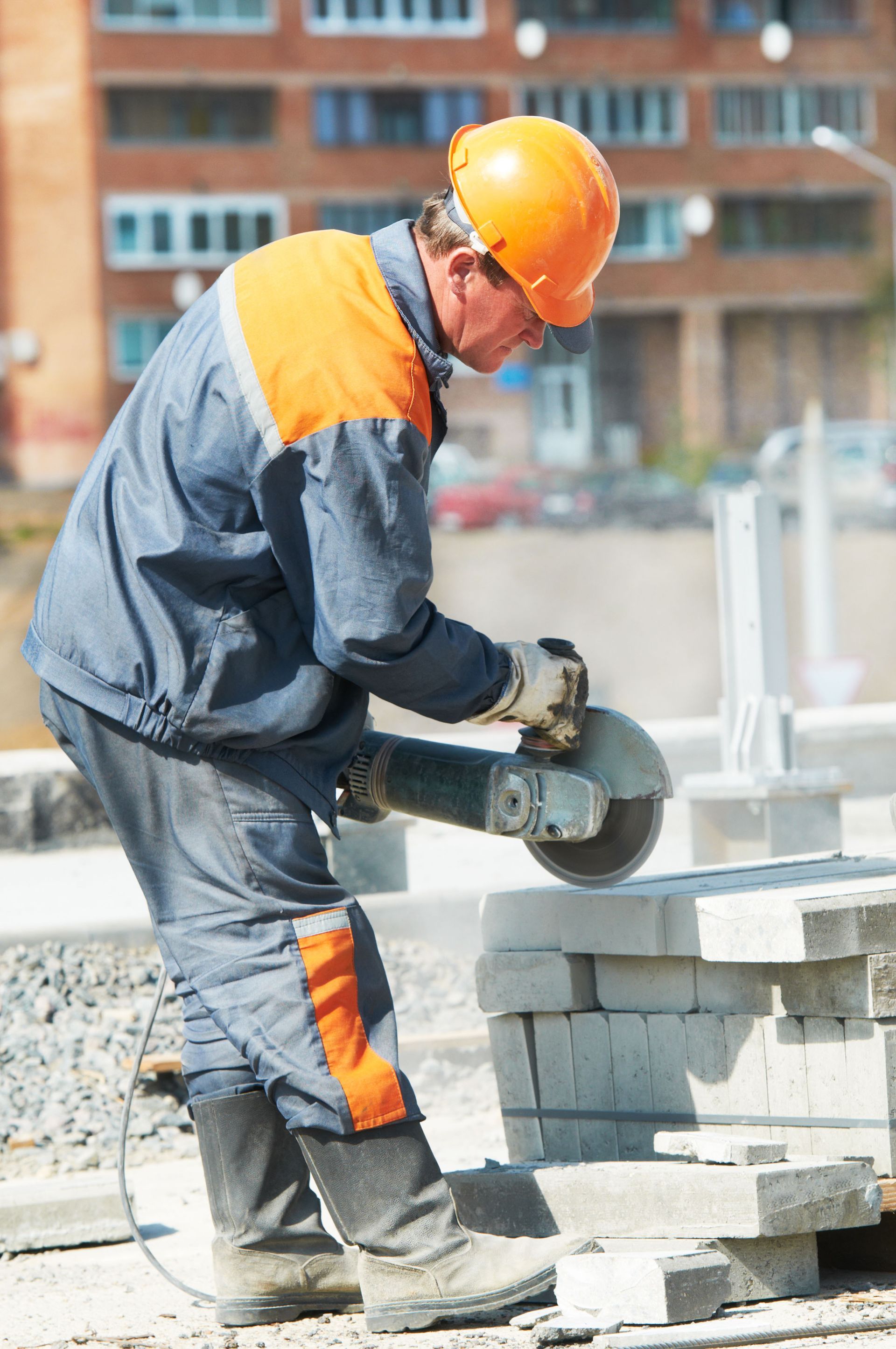
Concrete cutting involves sharp blades, heavy machinery, electrical equipment, dust, noise, and flying debris. Without proper training and protective measures, these conditions can lead to injuries or damage. Professional technicians are familiar with equipment operation, site preparation, protective clothing, and safe work procedures. They can identify hazards before work begins and establish a controlled area that limits access to people who are not involved in the project.
Experienced concrete cutting services also account for potential hazards such as unstable materials, hidden utilities, poor ventilation, and limited workspace. Crews may use water suppression, dust collection, barriers, and other controls to reduce exposure. Their preparation supports a safer environment for workers, occupants, and nearby property. Proper signage, equipment inspections, and communication among crew members further reduce confusion during active cutting. Professional oversight is especially valuable on active construction sites or occupied buildings where several activities may be occurring at once.
Reducing Dust and Debris
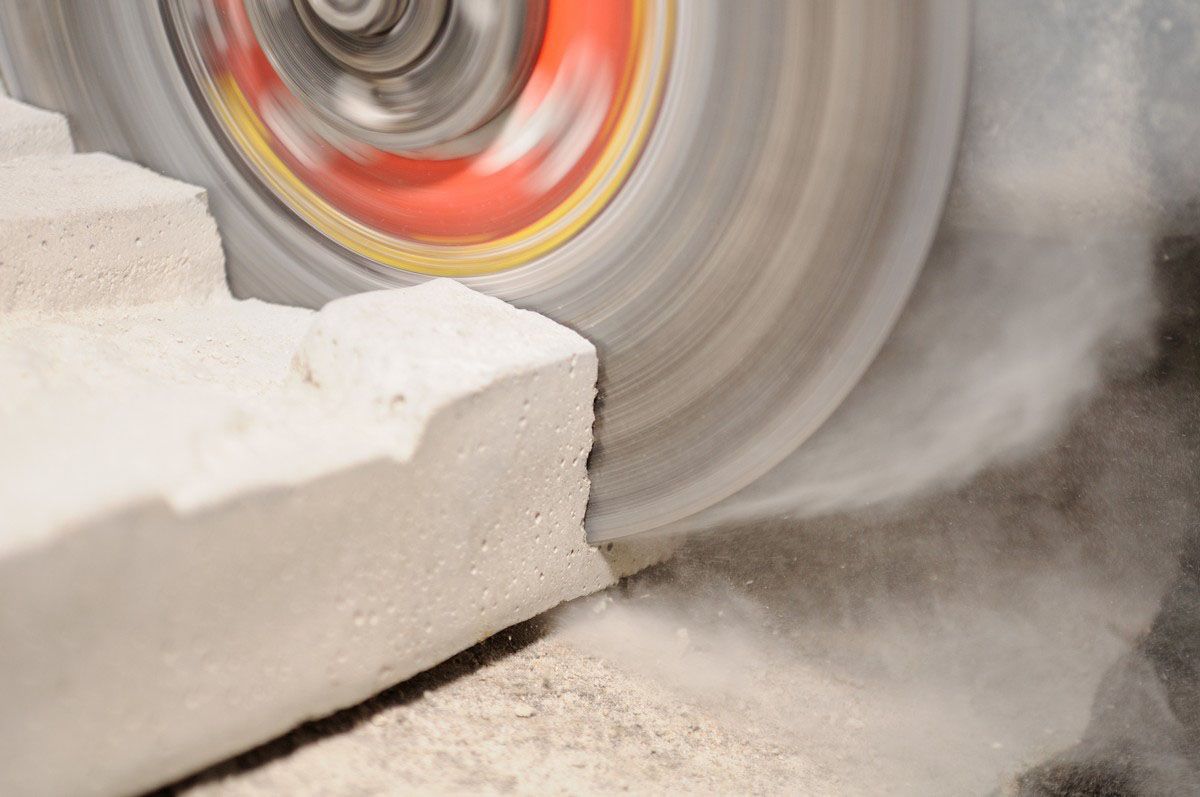
Cutting concrete can create large amounts of dust and loose material if the process is not properly managed. Fine particles may spread into nearby rooms, settle on equipment, affect air quality, and make cleanup more difficult. Professional crews use methods such as wet cutting and vacuum-assisted systems to capture dust close to the source. These controls help keep the work area cleaner and reduce disruption to surrounding spaces.
Concrete cutting services also plan how removed sections will be handled and transported. Controlled cuts produce manageable pieces that can be lifted, moved, and disposed of more efficiently. This approach prevents oversized fragments from damaging floors or nearby finishes. It can also make recycling or disposal easier because the material is separated into practical sizes before it leaves the site. Less debris and more organized removal can shorten cleanup time, improve access for other trades, and help the overall project remain on schedule.
Increasing Project Efficiency
Professional crews bring the equipment and experience needed to complete cutting tasks without relying on trial and error. They know how to select the appropriate blade, saw, drill, and cutting method for the material and project requirements. This preparation reduces equipment changes, repeated cuts, and unexpected interruptions. Faster, more accurate work allows other construction or installation activities to begin sooner. This coordination is valuable when plumbers, electricians, installers, or finishing crews depend on completed openings before they can proceed. Reducing downtime helps maintain momentum across the entire project rather than benefiting only the cutting phase.
According to Econ Market Research, the global concrete cutting market is expected to reach US$10.7 billion by 2035. This projected growth reflects the continued demand for specialized cutting in construction, infrastructure, renovation, and repair work. Hiring concrete cutting services can help project managers coordinate schedules more effectively because trained teams understand how to work efficiently while maintaining accuracy and safety.
Supporting Specialized Applications
Concrete cutting may involve more than creating a straight line through a slab. Projects can require wall sawing, flat sawing, core drilling, hand sawing, wire sawing, or controlled removal in confined areas. Each application requires different tools and techniques. Professional crews can evaluate the job and choose a method that matches the concrete thickness, location, reinforcement, access, and desired outcome.
Experienced cutting professionals can support a wide variety of residential, commercial, and industrial projects. They may create openings for plumbing, electrical conduits, HVAC systems, stairways, elevators, drainage, machinery, or building expansions. Their ability to adapt equipment and methods makes it possible to complete complex work in spaces where standard demolition tools would be too disruptive or imprecise.
Lowering Long-Term Project Costs
Attempting concrete cutting without the right training or equipment can lead to broken blades, damaged surfaces, inaccurate openings, and costly repairs. Mistakes may also delay other contractors and increase labor expenses. Professional crews reduce these risks by planning the work carefully and completing cuts with greater control. Paying for qualified assistance at the beginning can help prevent expensive corrections later.
Concrete cutting services can also reduce material waste by removing only the sections that need to be changed. Precise cutting preserves usable concrete and limits unnecessary demolition. Cleaner edges may require less finishing, patching, or rebuilding, which can lower labor and material costs. The combination of accuracy, speed, and reduced damage often provides better overall value than attempting the work with unsuitable tools or inexperienced labor.
Professional concrete cutting offers important advantages for projects that require safe, accurate, and controlled modifications to durable surfaces. Experienced technicians can protect structural integrity, improve job site safety, reduce dust, limit debris, and support specialized construction needs. Their use of appropriate equipment and proven methods also helps projects move forward with fewer delays and less corrective work. By choosing professional concrete cutting services, property owners and contractors can improve efficiency, reduce long-term costs, and achieve cleaner results. For skilled assistance with your next project, contact Action Concrete Cutting LLC.